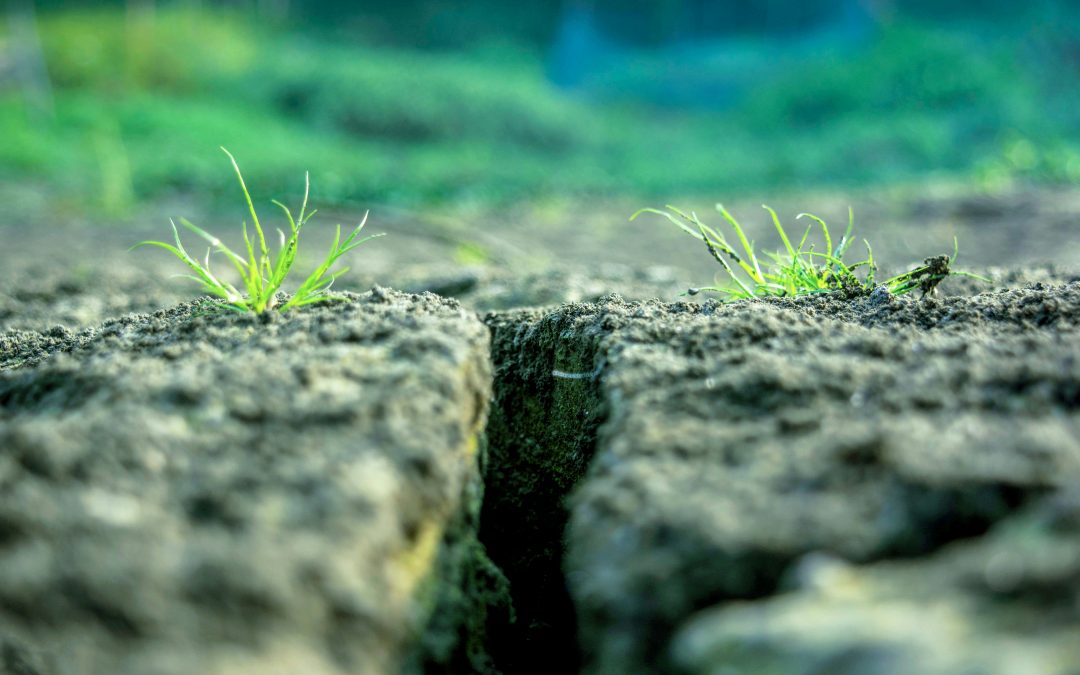
Soil erosion can silently damage your garden. It weakens plant growth and harms the environment. If you’re wondering what are the steps to prevent soil erosion, you’re not alone. Whether you have a sloped yard or heavy runoff, this guide will help.
Understanding the right techniques can protect your soil and keep your garden healthy.
Why Preventing Soil Erosion Matters
Soil erosion removes the top layer of your garden. This topsoil is full of nutrients that plants need. Without it, your plants struggle to grow.
Preventing erosion helps maintain strong roots, clean water, and a beautiful yard. Even small steps can have a big impact.
Step 1 Plant Ground Covers
Covering your soil is the first defense. Plants with strong roots hold the soil in place. They also block wind and rain from washing it away.
Choose low-maintenance ground covers like creeping thyme, clover, or native grasses. These plants spread quickly and form a natural barrier over exposed areas.
Step 2 Apply Mulch to Bare Soil
Mulch protects soil from raindrops and runoff. It also keeps moisture in and weeds out. Spread a thick layer of mulch over garden beds and around plants.
Use options like bark, straw, compost, or shredded wood. A two to four inch layer is enough to keep the soil covered and stable.
Step 3 Build Retaining Walls
Sloped gardens are prone to erosion. Rainwater rushes downhill and carries soil away. Retaining walls break up slopes into flat steps that hold water.
Materials like stone, brick, or wood create strong and attractive garden walls. These also give your yard a clean, structured look while preventing soil movement.
Step 4 Install Erosion Control Fabric
Erosion control fabric is helpful in high-risk areas. These mats are made from jute, coconut fiber, or synthetic materials. Place them over newly planted areas or bare slopes.
The fabric holds the soil in place while plants grow roots. Over time, natural fabrics break down and improve the soil underneath.
Step 5 Design a Rain Garden
Rain gardens capture runoff in low areas of your yard. Instead of water flowing across the surface, it slowly soaks into the ground.
To build one, dig a shallow basin in a low spot. Plant water-tolerant native plants inside it. Add mulch between the plants to reduce erosion even more.
Rain gardens manage stormwater and boost the look of your yard at the same time.
Step 6 Improve Drainage
Uncontrolled water flow causes erosion. You can manage this with better drainage systems.
Install gravel trenches, French drains, or swales. These channels slow down water and direct it to areas where it can soak in safely.
When water moves slowly and in the right direction, it’s less likely to wash away your soil.
Step 7 Add Trees and Shrubs
Trees and shrubs protect your soil with deep roots. They also break the force of rainfall and block wind near the ground.
Choose a mix of native trees and evergreen shrubs. Place them along slopes and around garden beds for strong soil support.
The roots knit the soil together and act like a living wall against erosion.
Step 8 Avoid Overwatering and Soil Compaction
Too much water can loosen soil. Use drip irrigation or soaker hoses for slow watering. This helps water soak in without washing the soil away.
Also avoid walking directly on garden beds. Foot traffic compacts the soil and reduces absorption. Use stepping stones or build paths to guide movement around plants.
Final Thoughts
Now you know what are the steps to prevent soil erosion. Use ground covers to protect the surface. Add mulch to bare soil and build retaining walls on slopes. Use erosion control fabrics and design rain gardens to manage runoff. Improve drainage and plant trees for deep-root support. Finally, water smart and avoid compacting your soil.
All these methods work together to keep your garden stable and strong. With a little planning, you can fight erosion and enjoy healthy soil year-round.