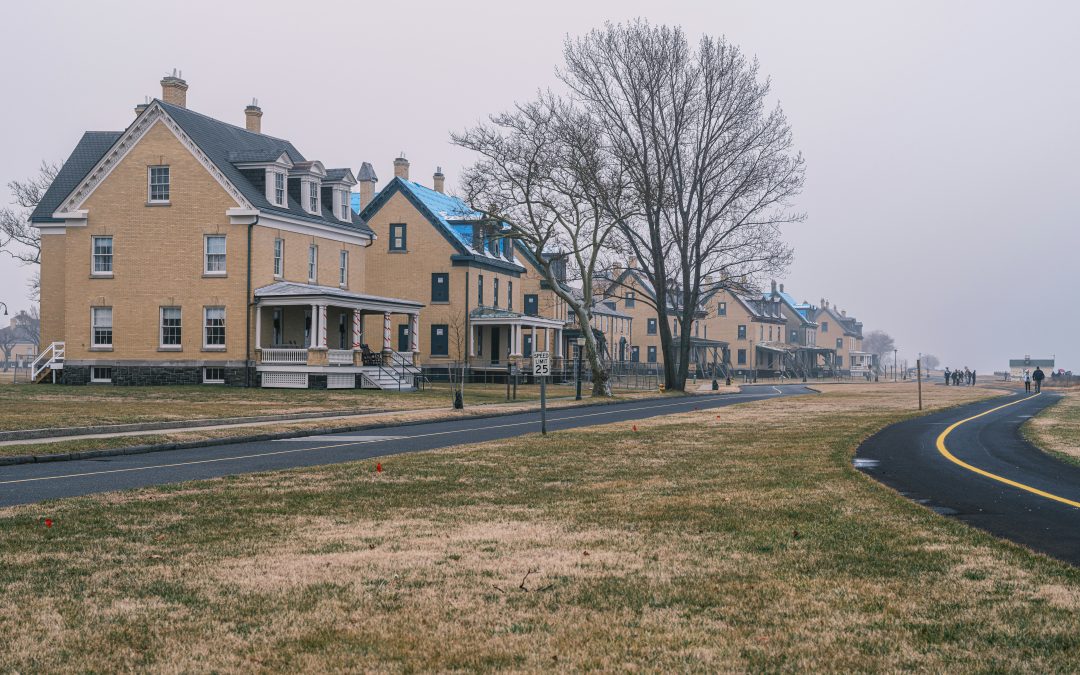
There’s something magical about stepping into an old house—the creak of the floors, the tall ceilings, the intricate woodwork, and the sense of history embedded in every wall. However, with age comes wear and tear, and breathing new life into an older home often requires careful planning, craftsmanship, and passion. The restoration of the old house is not just about repairs—it’s about preserving character while enhancing functionality for modern living.
Whether you’re restoring a family heritage home or buying a fixer-upper, this guide walks you through everything you need to know—from assessing condition to balancing authenticity with comfort.
Why Restore an Old House?
Old houses carry stories that new constructions can’t replicate. They were often built with durable materials and meticulous detail, from handcrafted moldings to original hardwood floors. Restoring such a home is both a creative and emotional journey.
Here’s why people choose restoration over replacement:
- Preservation of history: Restoring an old home keeps local culture and craftsmanship alive.
- Sustainability: Reusing existing materials reduces waste and environmental impact compared to new builds.
- Unique architecture: Features like stained glass, fireplaces, and decorative trim add beauty and character that modern homes often lack.
- Financial value: A well-restored house can increase in market value and appeal to buyers who appreciate vintage charm.
- Personal satisfaction: There’s pride in reviving something that once stood the test of time and making it thrive again.
Step 1: Assess the Condition
Before any work begins, a thorough inspection is essential. Understanding the structure’s current condition helps determine what’s worth saving and what must be replaced.
Key areas to evaluate include:
- Foundation: Look for cracks, sinking, or water damage. Structural stability comes first.
- Roof and gutters: Check for leaks, missing shingles, or rot.
- Walls and ceilings: Identify cracks, stains, or mold caused by moisture.
- Electrical system: Many old homes have outdated wiring that needs upgrading for safety.
- Plumbing: Look for leaks, corrosion, or old lead pipes.
- Windows and doors: Assess for drafts or broken frames, but consider restoration before replacement.
Hiring a structural engineer or preservation specialist can provide valuable insights before committing to major work.
Step 2: Plan Your Restoration
Once you know what needs attention, create a restoration plan that prioritizes both safety and authenticity.
Start by deciding what your vision is: Do you want to maintain historical accuracy, or blend old-world charm with modern comfort? Your answer will guide decisions about design, materials, and finishes.
A good restoration plan includes:
- A realistic budget (with 10–15% extra for unexpected costs).
- A timeline that allows for careful craftsmanship rather than rushing.
- Permits and approvals, especially if your house is in a heritage zone.
- Professional help, such as architects, carpenters, and restoration experts familiar with period properties.
Step 3: Preserve the Structure
Start with the “bones” of the house—the foundation, framing, and roof. These elements determine the overall integrity of the building.
- Reinforce foundation walls where needed to prevent future settling.
- Repair instead of replace when possible—original beams and wood often outlast modern materials.
- Treat for pests like termites that may have damaged the structure.
- Upgrade insulation carefully to maintain energy efficiency without compromising the walls’ original materials.
Preserving the structure ensures that every subsequent improvement will last for decades.
Step 4: Restore Historical Details
The charm of an old home lies in its details, and restoring them brings out its soul.
- Woodwork: Sand, refinish, or repaint crown moldings, banisters, and wainscoting rather than replacing them.
- Floors: Original hardwood floors can be sanded and refinished to reveal their natural beauty.
- Fireplaces: Restore mantels and tiles while updating chimneys for safety.
- Windows: Repair original frames or install storm windows to retain the look while improving efficiency.
- Lighting fixtures: Rewire and restore antique lighting rather than discarding it.
When matching missing pieces, look for salvage yards or architectural reuse centers that stock period-appropriate materials.
Step 5: Modernize with Sensitivity
Restoration doesn’t mean living in the past. The key is blending modern functionality with vintage charm.
- Electrical and plumbing: Upgrade systems to meet current codes while concealing wiring and pipes to preserve aesthetics.
- Heating and cooling: Add efficient HVAC systems discreetly, such as underfloor heating or ductless mini-splits.
- Kitchen and bathrooms: Update these spaces for convenience but keep the design consistent with the home’s era—think farmhouse sinks, subway tiles, or shaker cabinets.
- Smart technology: Incorporate subtle features like energy-efficient lighting and thermostats without disrupting the historic feel.
The goal is to achieve comfort and safety while maintaining architectural integrity.
Step 6: Paint and Finishes
Choosing the right colors and finishes can transform an old house while respecting its heritage.
- Research historical palettes: Many paint companies offer collections inspired by 19th- and early-20th-century homes.
- Natural finishes: Limewash, oil-based varnishes, and traditional stains help maintain authenticity.
- Highlight craftsmanship: Don’t cover intricate trim or wood grains with heavy paint layers.
Always test samples in natural light—the same color can look completely different depending on the age of the plaster or type of wood beneath it.
Step 7: Landscaping and Exterior Work
The outside of your home deserves as much attention as the interior. A well-restored exterior enhances curb appeal and ties the project together.
- Repair siding or brickwork: Use materials that match the original as closely as possible.
- Replace gutters and downspouts: Choose metal designs that fit the home’s period style.
- Porches and steps: Reinforce or rebuild with matching railings and posts.
- Landscaping: Add classic touches like hedges, stone paths, and period-appropriate plants to complement the house’s architecture.
Small exterior details can make a big difference in preserving authenticity.
Step 8: Embrace Imperfections
Part of the beauty of an old home is its imperfections—small cracks, uneven floors, or weathered finishes tell stories of generations past. Instead of aiming for sterile perfection, embrace these signs of age as part of the house’s personality.
The goal of restoration is revival, not reinvention. Keeping some imperfections honors the home’s character and authenticity.
Challenges in Restoring Old Homes
Restoration can be deeply rewarding, but it’s not without challenges:
- Hidden damage: You might uncover wiring issues or water damage mid-project.
- Material sourcing: Finding authentic or matching materials can take time.
- Budget overruns: Restoration often costs more than expected, so flexibility is key.
- Balancing old and new: Integrating modern systems while keeping an old-world look can be tricky.
Patience, research, and experienced help make all the difference.
Final Thoughts
The restoration of the old house is an act of respect—for architecture, history, and craftsmanship. It’s a process that transforms not just a building, but also how you connect with your living space. By preserving original details, using sustainable methods, and adding thoughtful modern upgrades, you create a home that bridges past and present beautifully.
In the end, restoring an old house isn’t just about fixing what’s broken—it’s about reviving what’s timeless. Every beam, brick, and window tells a story, and with care, your restoration will ensure that story continues for generations to come.