If you’re thinking about upgrading your driveway, patio, or walkway, you’ve probably come across the term permeable paver installation. It sounds technical, but it’s actually a smart and stylish way to improve both your property and the environment.
So what are permeable pavers? Why are they becoming so popular? And should you consider them for your next outdoor project? Let’s break it all down.
What Are Permeable Pavers?
Permeable pavers are specially designed paving stones that allow water to pass through them instead of pooling on the surface or running off into the street. They’re typically made from concrete, stone, or even recycled materials, and are spaced or built in a way that lets rainwater drain through to the ground below.
This system reduces surface runoff and helps recharge groundwater, making it an eco-friendly alternative to traditional concrete or asphalt.
Why Choose Permeable Paver Installation?
Here are a few solid reasons why homeowners and businesses are opting for permeable pavers:
- Improved drainage: No more puddles after a storm. Water soaks into the ground rather than running off.
- Prevents erosion and flooding: Especially useful in areas with heavy rainfall or poor drainage.
- Eco-friendly: Helps reduce strain on city sewers and keeps pollutants out of waterways.
- Durable and low maintenance: Well-installed pavers can last for decades with little upkeep.
- Curb appeal: They come in various colors, shapes, and styles to match your home’s vibe.
According to the U.S. Environmental Protection Agency (EPA), permeable pavements can reduce runoff volume by 70% to 90% compared to traditional surfaces. That’s a huge win for sustainability.
Where Can You Use Them?
Permeable paver installation works well in a variety of outdoor areas:
- Driveways
- Patios
- Walkways
- Courtyards
- Pool decks
- Parking lots
Whether you’re going for a modern look, a rustic feel, or something in between, there’s a paver style that fits.
The Installation Process (What to Expect)
Thinking of going for it? Here’s a general idea of how permeable paver installation works:
1. Site Assessment
First, your contractor will evaluate your yard’s slope, soil type, and drainage needs. This helps determine the right base materials and depth.
2. Excavation
The ground is dug out several inches deep—often deeper than a traditional patio or driveway—so there’s room for multiple drainage layers.
3. Layered Base Installation
A layer of crushed stone or gravel is added to create a solid, water-permeable base. This allows water to filter down without washing away the structure.
4. Edge Restraints and Laying Pavers
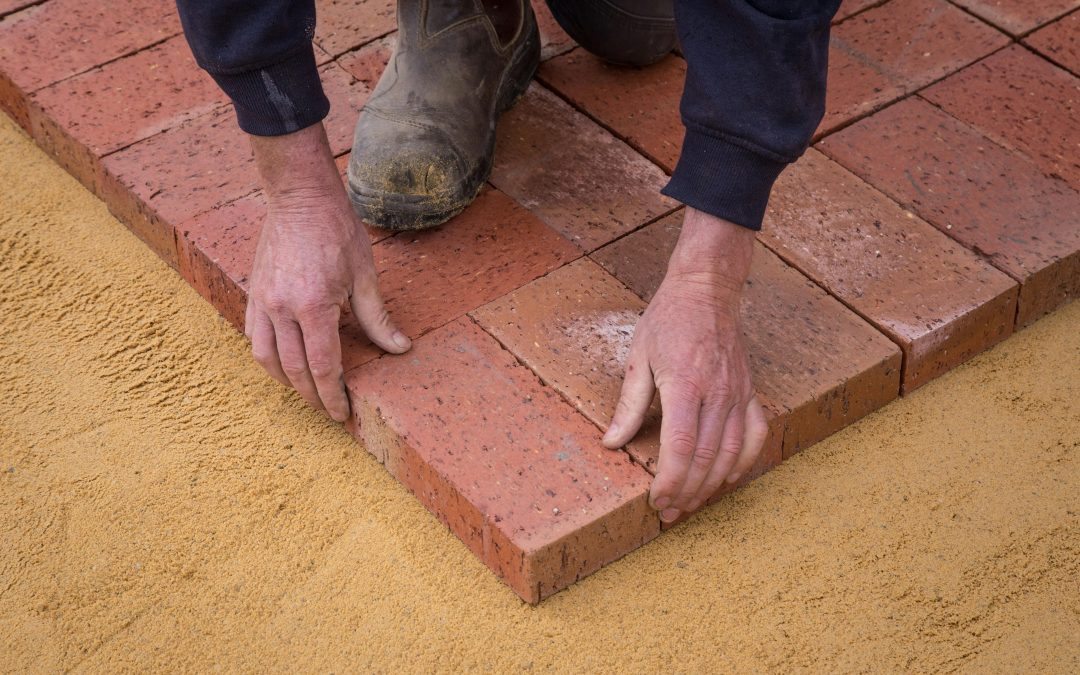
Next, the pavers are carefully laid out in your chosen pattern, with small gaps between them for water flow.
5. Joint Filling
Instead of using sand, the joints are filled with a fine gravel or stone that also allows water to pass through.
6. Final Compaction and Inspection
Everything is leveled and compacted to ensure stability, and the final structure is checked for even drainage and performance.
Maintenance Tips
The good news? Once your permeable paver installation is complete, maintenance is easy. Still, a little upkeep goes a long way.
- Sweep debris regularly so gaps don’t clog.
- Vacuum or power wash joints annually if needed.
- Remove weeds quickly to prevent root growth between pavers.
- Check for settling and refill gaps with gravel as necessary.
With simple maintenance, your pavers can look great and work effectively for 20–30 years.
Is It More Expensive?
Yes, permeable paver installation generally costs more upfront than regular concrete or asphalt. That’s because the base materials, excavation, and labor are more involved.
But here’s the flip side:
- You may save money long-term on drainage issues, repairs, or local stormwater fees.
- They last longer than asphalt and are easier to repair.
- You may qualify for green building incentives or rebates depending on your city.
So, while it’s an investment, it’s often worth it—especially if you’re looking for a long-term, eco-friendly solution.
Final Thoughts
Permeable paver installation isn’t just a trendy upgrade—it’s a smart one. It keeps your property looking great while managing rainwater naturally and responsibly. Whether you’re redoing your driveway or building a beautiful new patio, this option brings style, function, and sustainability together.
Thinking about installing permeable pavers at your home? Start with a professional assessment and explore your style options. With the right design, your yard will be ready to handle the rain—and look fantastic while doing it.