
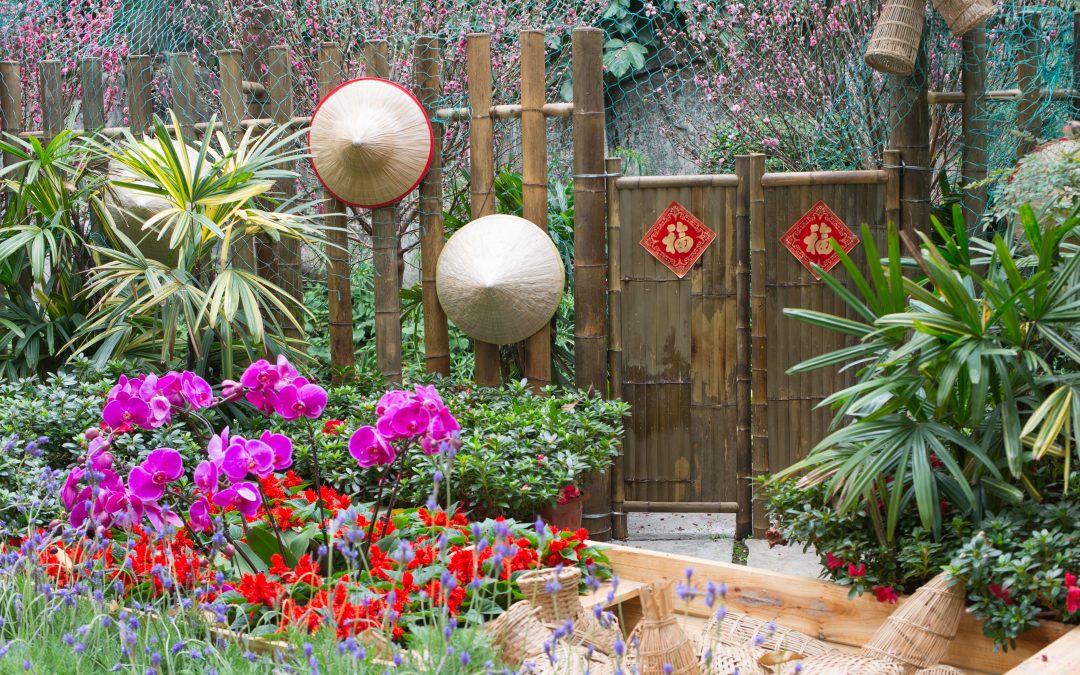
Ever walked past a house and stopped just to admire the garden? Chances are, you were looking at an ornamental garden—those beautifully arranged, decorative spaces filled with colorful flowers, graceful shrubs, and often a few eye-catching features like fountains or arches. Whether you’re new to gardening or just ready to take things up a notch, ornamental gardens can be both a joy to build and a powerful boost to your home’s curb appeal.
In this article, we’ll walk you through the essentials of creating your own ornamental garden—from plant choices and layout ideas to low-maintenance tips that keep it looking gorgeous year-round.
What Exactly Is an Ornamental Garden?
Ornamental gardens are designed mainly for aesthetic pleasure rather than food production. That means they’re focused on beauty, texture, color, and structure. Think carefully trimmed boxwood hedges, flower beds bursting with blooms, and pathways winding through manicured greenery.
These types of gardens can be formal (symmetrical and geometric) or informal (more natural and flowing). Both styles are equally valid—it really comes down to your personal taste and how much upkeep you’re willing to commit to.
Why Choose an Ornamental Garden?
Here’s why homeowners are increasingly choosing ornamental gardens:
- Visual appeal: Instantly makes your yard more attractive and welcoming.
- Increased property value: Well-maintained landscaping can boost home value by up to 12% (source: National Association of Realtors).
- Personal enjoyment: Provides a calming, nature-rich space right outside your door.
- Environmental benefits: Attracts pollinators like bees and butterflies.
And let’s be honest—there’s something incredibly satisfying about seeing a garden bloom under your care.
Choosing the Right Plants for Your Region
When it comes to ornamental gardens, your plant choices make or break the design. The key is to choose a mix of:
- Perennials: These come back year after year, such as peonies, coneflowers, and hostas.
- Annuals: These last a single season but often deliver vivid, eye-catching blooms—like marigolds and zinnias.
- Evergreens: Great for structure and winter interest. Boxwoods and junipers are popular picks.
- Ornamental grasses: Add movement and texture. Try fountain grass or blue fescue.
Make sure to pick plants suited to your USDA hardiness zone. If you’re not sure what zone you’re in, a quick Google search with your ZIP code should help.
Tips for Designing Your Ornamental Garden Layout
Don’t worry—you don’t need to be a professional landscape architect to pull this off. Here are some simple layout tips:
- Start with structure: Use hedges, fences, or garden borders to create defined sections.
- Think in layers: Place taller plants in the back, medium-height plants in the middle, and shorter ones in the front.
- Group by color: Cohesive color schemes create a more polished look. For example, stick to cool tones (purples, blues, whites) or go bold with warm colors (reds, oranges, yellows).
- Add focal points: Statues, birdbaths, or even a bench can draw the eye and break up large areas of greenery.
Pro tip: Sketch it out first! It doesn’t need to be artistic—just enough to give you a sense of space and flow.
Maintaining Your Ornamental Garden (Without Losing Your Mind)
We get it—gardens can be a lot of work. But with the right strategies, you can keep maintenance manageable:
- Use mulch to retain moisture and reduce weeds.
- Choose low-maintenance plants like daylilies, lavender, and Russian sage.
- Install drip irrigation or soaker hoses to save time and water.
- Prune regularly, but don’t overdo it—most plants thrive with a simple seasonal trim.
Also, don’t forget to fertilize and deadhead (remove spent flowers) when needed. Just 15 minutes a few times a week can make a big difference.
A Real-Life Example: The Power of a Backyard Makeover
One New York homeowner recently shared that switching from a basic lawn to an ornamental garden saved on mowing time and water bills, while also attracting hummingbirds and butterflies for the first time in years. Plus, the home sold above market value—partly thanks to the upgraded landscaping.
Final Thoughts: Let Your Garden Reflect Your Style
At the end of the day, your ornamental garden should reflect your personality. Whether you love a clean, modern look or a cozy, cottage-style vibe, there’s room for creativity and personal flair.
Don’t be afraid to experiment, and remember: gardens evolve. What you plant today may look even better in a year or two. With a little effort and imagination, you’ll have a living, blooming work of art right in your yard.
Ready to start digging?