
If you’ve ever struggled with soggy soil that feels sticky and heavy after it rains, you’re not alone. Clay soil is known for holding too much water, which can suffocate plant roots and make gardening frustrating. The good news is that you can fix it. Learning how to create well-drained soil in clay can completely transform your garden, allowing plants to grow stronger, healthier, and more resilient.
Here’s a detailed guide to understanding clay soil, improving drainage, and maintaining a garden that thrives year-round.
Understanding Clay Soil
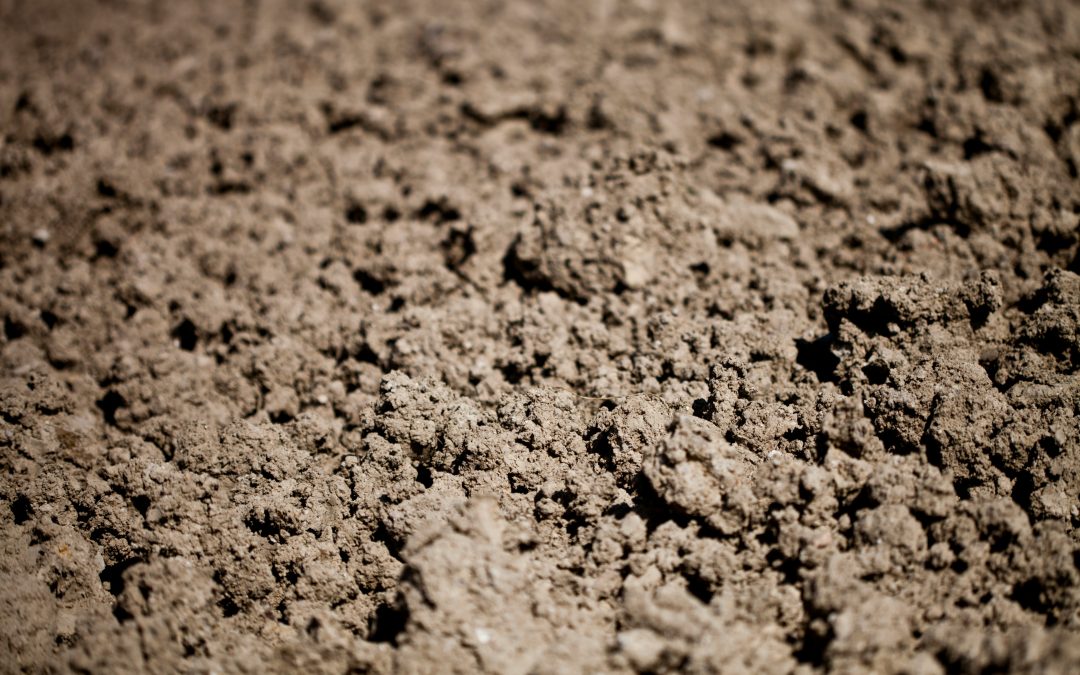
Clay soil is made up of tiny mineral particles that are packed tightly together. Because of this fine texture, there’s very little space between the particles for air and water to move through. That’s why water tends to sit on the surface or drain very slowly, leading to puddles, compaction, and root rot in plants.
While clay soil can be challenging, it does have one advantage — it’s nutrient-rich. The problem isn’t lack of fertility but rather poor structure and drainage. The key is to improve aeration so that roots can access both oxygen and nutrients efficiently.
Why Good Drainage Matters
Well-drained soil allows water to move freely through the top layer and down into the subsoil without waterlogging the roots. Plants need moisture, but they also need oxygen to survive. When roots stay wet for too long, they begin to rot and stop absorbing nutrients.
Creating better drainage ensures:
- Healthier root systems
- Reduced risk of fungal diseases
- Improved soil structure over time
- Easier planting and maintenance
Good drainage also means you’ll spend less time dealing with runoff or erosion and more time enjoying a productive garden.
How to Test Your Soil Drainage
Before fixing the problem, it’s helpful to see how bad it is. Try this simple test:
- Dig a hole about 12 inches deep and wide.
- Fill it with water and let it drain completely.
- Fill it again and measure how long it takes for the water to disappear.
If it takes more than four hours to drain, your soil needs help. That’s where these proven techniques come in.
Steps to Create Well-Drained Soil in Clay
1. Add Organic Matter
Adding organic matter is the best way to improve clay soil. Materials like compost, leaf mold, and well-rotted manure help separate the tiny clay particles and create spaces for air and water to move.
Spread 2 to 4 inches of organic material over your soil and mix it into the top 6 to 8 inches. Over time, this process will transform dense clay into loamy, crumbly soil that drains better.
2. Avoid Compaction
Walking or working on wet clay compacts it even more. When soil is compacted, water can’t move freely through it. Wait until the ground is dry before digging or tilling, and use raised beds or stepping stones to avoid constant foot traffic on the same spots.
3. Use Raised Beds
If your yard has heavy clay throughout, consider building raised beds. They allow you to control the type of soil and drainage more easily. Fill raised beds with a mix of compost, topsoil, and coarse sand or grit. Water drains faster through this mix, and roots grow more freely.
4. Add Grit or Coarse Sand
A small amount of coarse sand or fine gravel can improve drainage, but it must be used carefully. Adding too much sand to clay can actually create a concrete-like texture. Always mix sand with organic matter so it helps loosen the soil instead of compacting it.
5. Use Gypsum to Break Up Clay
Gypsum (calcium sulfate) is a natural soil conditioner that helps loosen compacted clay. It works by binding to clay particles and improving their structure, making it easier for water and roots to move through the soil. Spread about 2 to 3 pounds per 100 square feet and water it in thoroughly.
Gypsum doesn’t change soil pH, so it’s safe for most plants and lawns. However, it’s most effective when combined with organic matter.
6. Plant Deep-Rooted or Clay-Tolerant Plants
Some plants thrive in clay soil and can help naturally improve it over time. Their deep roots break through compacted layers, improving aeration and drainage.
Great options include:
- Daylilies
- Coneflowers
- Switchgrass
- Black-eyed Susans
- Sedum
Once these plants establish, their roots leave behind small air channels that help water flow more freely through the soil.
7. Create Drainage Channels
For areas that stay soggy even after amending the soil, consider adding simple drainage solutions. You can dig shallow trenches or install a French drain to direct excess water away from problem spots. This prevents pooling and protects your plants from waterlogging.
8. Mulch the Surface
Mulching is a key step in managing moisture. A layer of bark chips, straw, or shredded leaves helps regulate soil temperature, prevents erosion, and improves water absorption during rain. As the mulch decomposes, it adds organic matter back into the soil.
Keep mulch a few inches away from plant stems to prevent rot and allow airflow.
Common Mistakes to Avoid
When learning how to create well-drained soil in clay, avoid these common pitfalls:
- Don’t till wet soil — it makes compaction worse.
- Don’t rely only on sand — always mix with compost.
- Don’t skip regular soil amendments — improving clay is a gradual process.
Consistency is key. Over a few seasons, the soil’s structure will continue to improve as you add organic matter and avoid overworking it.
Maintaining Well-Drained Clay Soil
Once your soil starts to improve, keep up the good work with these habits:
- Add compost every spring or fall to maintain soil health.
- Rotate crops or plants to prevent compaction and nutrient depletion.
- Keep testing drainage yearly to track progress.
- Use cover crops like clover in the off-season to protect and enrich the soil.
Final Thoughts
Learning how to create well-drained soil in clay takes time, but the results are worth it. With patience, the right amendments, and good soil care practices, you can turn heavy, waterlogged ground into a thriving garden that supports a wide range of plants.
The secret is to work with nature, not against it. Once your soil becomes looser, more balanced, and better draining, you’ll find that your garden is not just easier to manage — it’s more productive, sustainable, and beautiful year after year.