Gabion walls are becoming increasingly popular in landscaping and construction. These sturdy structures, made by filling wire cages with rocks or stones, offer a natural and durable alternative to traditional walls. But before you decide to build one, it’s smart to weigh the gabion walls pros and cons to see if they fit your project.
In this article, we’ll explore the advantages and disadvantages of gabion walls, helping you make an informed choice.
What Are Gabion Walls?
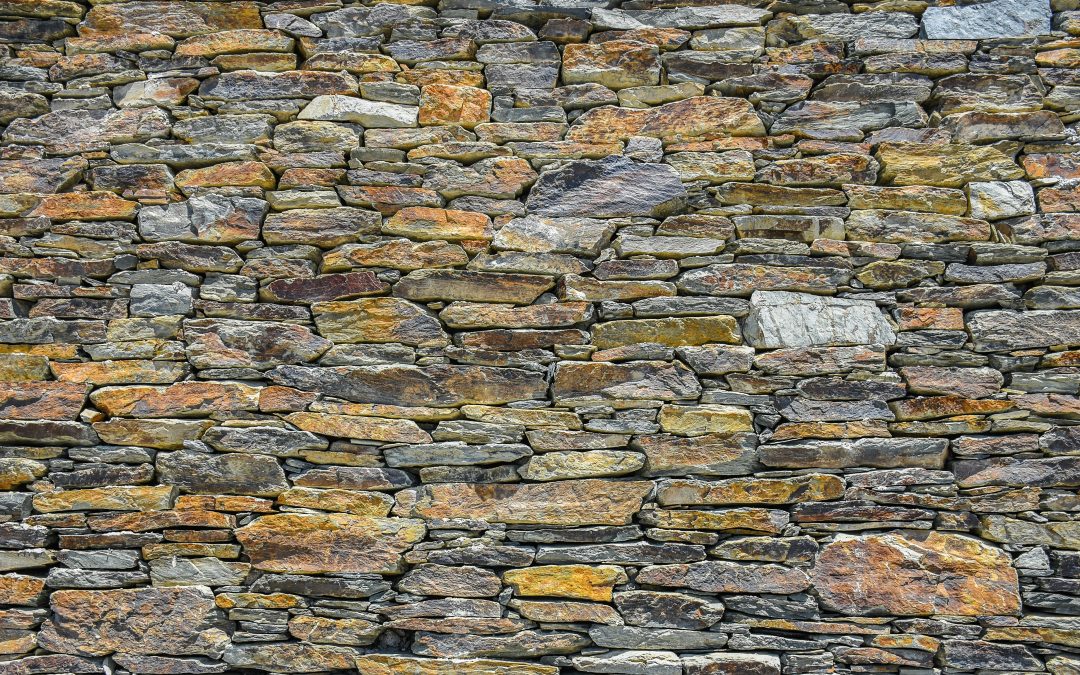
Gabion walls are wire mesh cages filled with stones, rocks, or recycled concrete. They can be stacked or shaped to form retaining walls, sound barriers, or decorative garden features. The design allows water to flow through, reducing pressure behind the wall and minimizing erosion.
Gabion Walls Pros
1. Durability and Strength
Gabion walls are extremely strong and can withstand heavy loads and harsh weather. The wire cages are typically made from galvanized steel or PVC-coated mesh, which resists rust and corrosion.
2. Natural Drainage
Unlike solid concrete walls, gabions allow water to pass through. This natural drainage reduces the risk of water buildup and pressure that can damage retaining walls.
3. Eco-Friendly and Sustainable
Gabion walls often use local stones or recycled materials, making them environmentally friendly. They blend well with natural surroundings and can even support plant growth over time.
4. Versatility and Customization
Gabions can be shaped to fit different landscapes and styles. You can vary the size, shape, and type of stones to create unique designs or artistic features.
5. Easy Installation
Compared to poured concrete walls, gabion walls are relatively easy and quick to install. They don’t require curing time and can be assembled on-site with basic tools.
Gabion Walls Cons
1. Appearance May Not Suit All Styles
Some people find the industrial look of wire mesh and stones less appealing, especially for modern or formal gardens. The rough texture may not fit all aesthetic preferences.
2. Potential for Wire Corrosion
Although coated and galvanized wire is durable, over many years it may corrode or weaken, especially if exposed to harsh chemicals or salt. Regular inspection is recommended.
3. Can Be Heavy and Bulky
Gabion walls require a significant amount of stone, which can make them heavy and harder to move once installed. This could increase transportation costs or require heavy machinery.
4. Maintenance Needs
While low maintenance compared to some materials, gabion walls may require occasional checks for wire integrity and repositioning of stones that shift over time.
5. Limited Privacy
If built as a fence or screen, gabion walls may not provide full privacy because of gaps between the stones or mesh visibility.
When Are Gabion Walls a Good Choice?
Gabion walls are excellent for:
- Retaining slopes or soil in landscaping projects
- Areas needing good drainage and erosion control
- Rustic or natural-style gardens and outdoor spaces
- Projects requiring fast and cost-effective installation
They are less suitable if you want a sleek, modern look or full privacy fencing.
Tips for Building and Maintaining Gabion Walls
- Choose quality wire mesh with proper coating to resist corrosion.
- Use durable, local stone to reduce costs and environmental impact.
- Ensure the foundation is stable and level before assembly.
- Inspect your gabion walls yearly to check for wire damage or stone displacement.
- Consider adding plants or vines to soften the look and integrate with nature.
Final Takeaway
Understanding the gabion walls pros and cons helps you decide if this versatile and durable wall option fits your needs. While they offer great strength, natural drainage, and eco-friendliness, their appearance and maintenance may not suit everyone.
If you want a functional, cost-effective solution for retaining or landscaping, gabion walls could be perfect. Just keep in mind the potential drawbacks and plan accordingly to enjoy a beautiful and long-lasting structure.