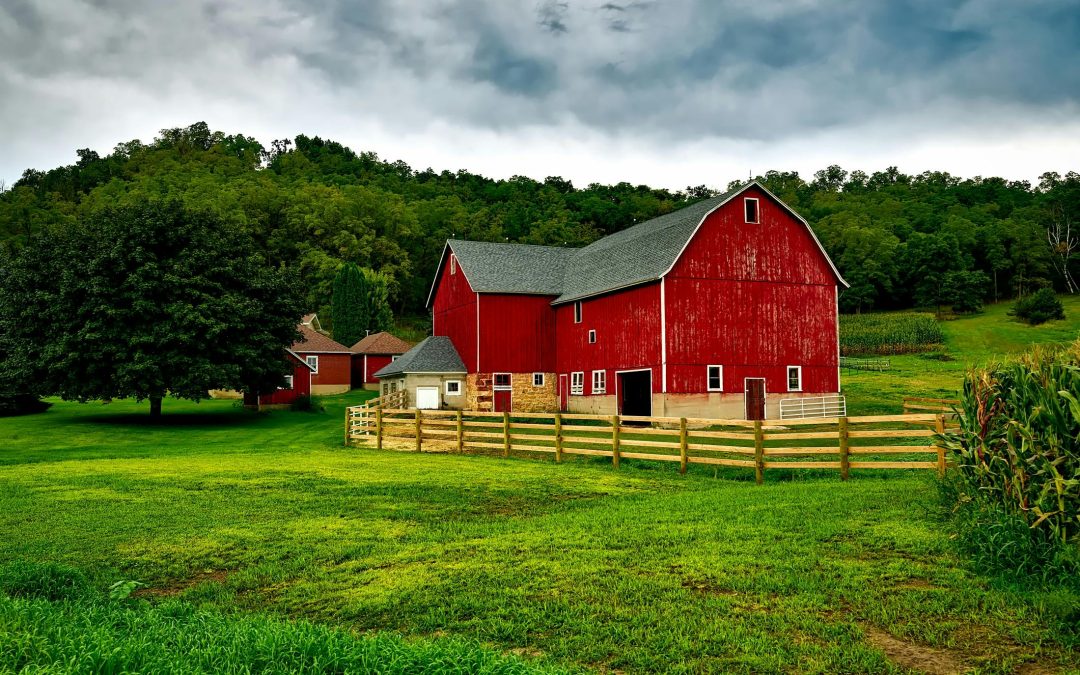
When you think about a farm, one of the first images that probably comes to mind is a barn. For generations, barns have been the backbone of agricultural operations. They store equipment, protect livestock, house feed, and provide essential workspace. But modern farming has changed a lot over the years, and barns have changed along with it.
Today, farmers are increasingly choosing Custom agricultural barn construction instead of standard barn designs. Why? Because every farm is different. Livestock needs vary, equipment sizes differ, and land layouts can be unique. A custom barn allows farmers to design a structure that works perfectly for their operation.
According to the United States Department of Agriculture (USDA), farms continue to adopt improved infrastructure to increase efficiency and animal welfare. Proper farm buildings play a major role in productivity and safety.
So if you are curious about how barns are designed today and why customization matters, let’s walk through the key aspects of Custom agricultural barn construction.
Why Modern Farms Need Custom Barns
Farming is not a one size fits all business. A dairy farm has different needs than a horse stable or a crop storage facility. Because of this, pre designed barns may not provide the flexibility that many farmers require.
With Custom agricultural barn construction, the building is planned specifically around the farm’s needs.
Some common goals farmers have when building a custom barn include:
- Creating efficient spaces for livestock care
- Protecting machinery and vehicles from weather
- Improving ventilation and animal comfort
- Organizing feed and supply storage
- Expanding farm operations in the future
Custom barns allow these needs to be addressed during the planning stage rather than forcing farmers to adapt to a generic design.
The Role of Barns in Agricultural Efficiency
Barns do more than just provide shelter. They support the daily workflow of a farm.
A well designed barn can reduce the time farmers spend moving equipment, feeding animals, or cleaning stalls. Even small improvements in layout can make a big difference in daily operations.
For example, placing feed storage close to livestock areas can save hours of work each week. Proper drainage and flooring can also reduce cleaning time.
Through Custom agricultural barn construction, farmers can design barns that match how they actually work every day.
Key Features of a Well Designed Barn
A custom barn typically includes several essential features that help improve safety, comfort, and efficiency.
Here are some of the most important design elements.
Proper Ventilation
Good airflow is critical for livestock health. Poor ventilation can lead to humidity buildup, odors, and respiratory issues for animals.
Modern barns often include:
- Ridge vents
- Adjustable sidewall openings
- Large windows or vents
- Mechanical ventilation systems
These features help maintain fresh air inside the barn throughout the year.
Durable Structural Materials
Agricultural buildings must handle tough conditions including weather, heavy equipment, and animal activity.
Common barn construction materials include:
- Steel frames for structural strength
- Pressure treated wood for support beams
- Metal roofing for durability
- Concrete floors for easy cleaning
Choosing durable materials helps barns last for decades with proper maintenance.
Flexible Interior Layouts
Farms often grow and change over time. Because of this, many custom barns are designed with flexible layouts.
Movable partitions, open floor areas, and adjustable stalls allow farmers to adapt the space when their needs change.
This flexibility is one of the major advantages of Custom agricultural barn construction.
Barn Designs for Different Types of Farms
Not all barns serve the same purpose. Different agricultural operations require different layouts and features.
Let’s look at a few common barn types.
Livestock Barns
Livestock barns are designed to house animals such as cattle, sheep, goats, or pigs.
Key features often include:
- Animal stalls or pens
- Feeding areas
- Ventilation systems
- Drainage and waste management
Animal welfare is a major consideration when designing these barns.
Equipment Storage Barns
Farm machinery can be extremely valuable, so protecting it from weather is important.
Equipment barns typically include large doors and wide interior spaces to accommodate tractors, harvesters, and other machinery.
High ceilings are also common so large equipment can move easily.
Hay and Feed Storage Barns
Hay and feed must remain dry to prevent spoilage. Storage barns are designed with proper airflow and roofing to keep materials protected from moisture.
Some barns include loft areas where hay can be stored above livestock areas.
Planning the Barn Construction Process
Building a barn requires careful planning before construction even begins.
Farmers and builders typically consider several factors during the planning stage.
These include:
- Land location and soil stability
- Local zoning or agricultural building regulations
- Access for trucks and machinery
- Drainage and water flow around the property
Planning also involves choosing the right size and layout for the farm’s current and future needs.
Through Custom agricultural barn construction, these details are addressed early in the process to prevent costly changes later.
Technology in Modern Barn Construction
Farming is becoming more technology driven, and barns are evolving along with it.
Many new barns now include advanced features such as:
- Automated feeding systems
- Temperature monitoring equipment
- Smart ventilation controls
- Energy efficient lighting
According to agricultural research from Penn State Extension, modern livestock barns that incorporate ventilation and environmental control systems can improve animal health and productivity.
These innovations help farmers manage operations more efficiently.
Sustainability and Energy Efficiency
Sustainable building practices are also becoming more common in agriculture.
Many barns now include environmentally friendly features such as:
- Solar panels for energy production
- Natural lighting through skylights
- Rainwater collection systems
- Insulated walls to regulate temperature
These features reduce energy use and can help farms operate more efficiently over the long term.
Sustainability is becoming an important part of Custom agricultural barn construction as farmers look for ways to reduce operating costs.
Maintenance for Long Lasting Barns
Even the best built barn requires regular maintenance.
Routine inspections help identify small issues before they become major problems.
Farmers should regularly check:
- Roofing for leaks or damage
- Structural beams for wear
- Ventilation openings for blockages
- Flooring for cracks or drainage problems
Keeping barns well maintained protects livestock, equipment, and supplies.
The Value of Building a Barn That Fits Your Farm
Every farm has its own workflow, challenges, and priorities. That is why customized structures are often more effective than standard designs.
Custom agricultural barn construction allows farmers to build spaces that support their specific agricultural goals. Whether the barn is used for livestock housing, equipment storage, or feed protection, customization ensures the structure works efficiently for daily operations.
With thoughtful design, durable materials, and modern features, a well built barn can serve a farm for many years while improving productivity and organization.