
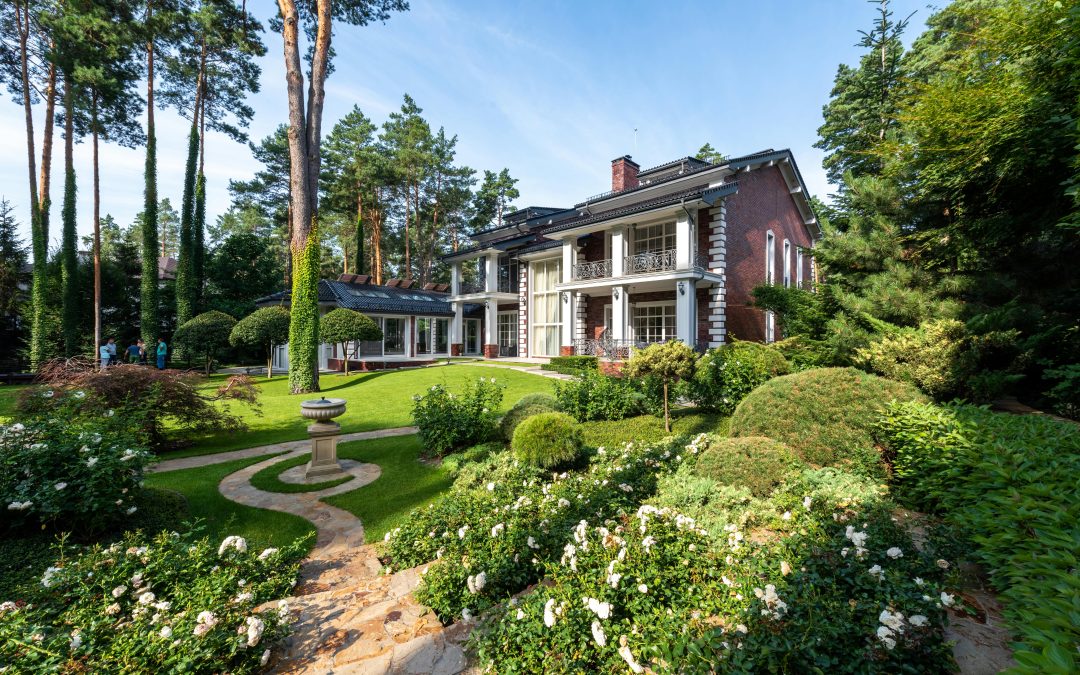
Creating a beautiful yard does not have to come at the expense of the planet. In fact, with the right approach, your outdoor space can be both stunning and sustainable. Whether you are starting from scratch or improving an existing garden, having a clear plan makes everything easier. That is where a practical Checklist for eco-friendly landscaping comes in handy. Think of this guide as a friendly walk through smart choices that benefit your home, your wallet, and the environment.
Why Eco-Friendly Landscaping Matters More Than Ever
Landscaping might seem harmless, but traditional practices can quietly waste resources. According to the United States Environmental Protection Agency, outdoor water use accounts for nearly 30 percent of household water consumption in the US, and much of that is used on lawns. The good news is that eco-conscious landscaping can significantly reduce water use while supporting local ecosystems.
Beyond water savings, sustainable landscapes improve soil health, reduce pollution, and create habitats for birds and pollinators. It is a win for everyone involved.
Start With Smart Planning and Observation
Before planting anything, take a step back and observe your space. Notice how sunlight moves across your yard, where water naturally collects, and which areas stay dry.
Ask yourself:
- Which parts get full sun and which stay shaded?
- Do you have slopes that cause runoff?
- Are there existing plants that can be saved or relocated?
Good planning prevents unnecessary digging, waste, and frustration later. It also helps you follow your Checklist for eco-friendly landscaping more effectively.
Choose Native and Climate-Appropriate Plants
One of the easiest eco-friendly wins is choosing plants that naturally thrive in your local climate. Native plants are adapted to local rainfall, soil, and temperatures, which means they need less water and maintenance.
Benefits of native plants include:
- Lower water needs
- Fewer pests and diseases
- Better support for local wildlife
For example, a study by the National Wildlife Federation shows that native plants can support up to four times more pollinators than non-native varieties. That is a powerful reason to go local with your plant choices.
Reduce Lawn Size and Rethink Turf
Traditional lawns look neat, but they are resource-heavy. Reducing lawn size is a major step toward sustainability.
Instead of wall-to-wall grass, consider:
- Ground covers like clover or creeping thyme
- Mulched garden beds
- Decorative gravel or stone paths
- Vegetable or herb gardens
If you keep grass, choose drought-tolerant varieties and mow higher. Taller grass shades the soil and reduces water evaporation.
Water Wisely and Efficiently
Water use is often the biggest environmental issue in landscaping. An eco-friendly approach focuses on efficiency rather than excess.
Smart watering tips include:
- Install drip irrigation instead of sprinklers
- Water early in the morning to reduce evaporation
- Group plants with similar water needs together
- Use rain barrels to collect roof runoff
The EPA estimates that switching to water-efficient landscaping can reduce outdoor water use by up to 50 percent. That is a huge saving with minimal effort.
Improve Soil Health Naturally
Healthy soil is the foundation of a sustainable landscape. When soil is rich and alive, plants grow stronger and need less water and fertilizer.
Simple ways to improve soil include:
- Adding compost from kitchen and yard waste
- Avoiding chemical fertilizers that harm beneficial microbes
- Using mulch to retain moisture and prevent erosion
Mulching with organic materials like wood chips or leaves also reduces weeds and slowly enriches the soil over time.
Use Eco-Friendly Materials and Hardscaping
Landscaping is not just about plants. Paths, patios, and borders matter too. Traditional concrete can increase heat and runoff, so consider greener alternatives.
Eco-conscious material choices include:
- Permeable pavers that let water soak into the ground
- Reclaimed wood or recycled stone
- Gravel paths instead of solid surfaces
These options reduce runoff and help replenish groundwater, which is an often overlooked environmental benefit.
Support Wildlife and Pollinators
An eco-friendly yard should feel alive. Small changes can turn your landscape into a welcoming habitat.
Consider adding:
- Flowering plants that bloom at different times
- Bird baths or shallow water dishes
- Shrubs or hedges for shelter
- Pollinator gardens with bees and butterflies in mind
The Xerces Society reports that pollinator populations are declining worldwide, largely due to habitat loss. Your garden can be part of the solution.
Cut Back on Chemicals and Embrace Natural Care
Pesticides and herbicides may promise quick results, but they often harm beneficial insects and contaminate soil and water.
Instead, try:
- Hand-pulling weeds when possible
- Encouraging beneficial insects like ladybugs
- Using organic pest control methods
- Accepting a slightly imperfect look
Eco-friendly landscaping is about balance, not perfection. A few weeds or insect bites are signs of a living ecosystem.
Maintain With Sustainability in Mind
Once your landscape is established, maintenance should stay eco-conscious. Regular care prevents bigger problems later.
Keep these habits in mind:
- Compost yard waste instead of bagging it
- Sharpen mower blades for cleaner cuts
- Avoid overwatering and overfertilizing
- Revisit your Checklist for eco-friendly landscaping each season
Sustainability is ongoing, and small adjustments over time make a big difference.
A Simple Takeaway to Get You Started
Eco-friendly landscaping does not require a complete overhaul or a massive budget. It starts with awareness, smart choices, and a willingness to work with nature instead of against it. By following a clear Checklist for eco-friendly landscaping, you can create an outdoor space that looks great, functions better, and supports the environment.
Start small, stay consistent, and enjoy the process. Your garden will thank you, and so will the planet.